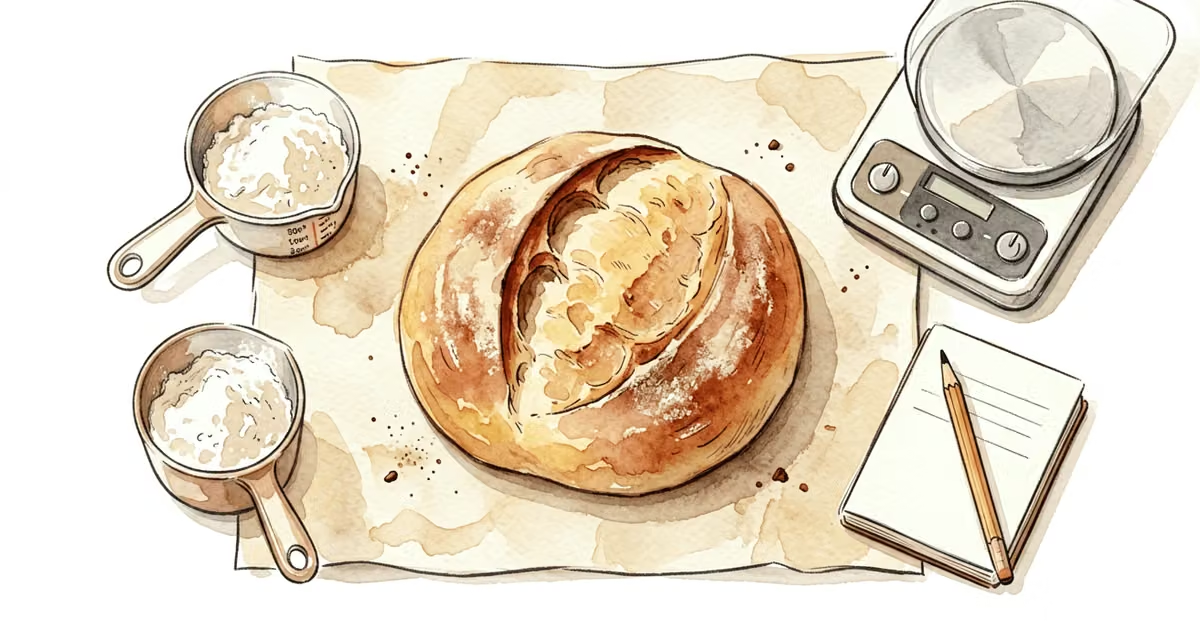
Sourdough Hydration Calculator
Calculate water, salt, and starter ratios for any sourdough recipe — instantly, accurately, and free.
Calculate Your Recipe
Your Recipe
Try a preset:
Sourdough Hydration Chart (50%-100%)
Different hydration levels produce very different breads. Here is a quick guide to choose the right one for you:
Stiff / Bagels
🍞 EasyTight dough, easiest to shape
Standard Sandwich
🍞 EasySoft, even crumb. Great for daily loaves
Beginner Classic
🥖 MediumBalanced hydration, easy to handle
Artisan Country
🥖 MediumOpen crumb, rustic texture
Open Crumb
🍞 HardLarge holes, requires skill
Ciabatta / Focaccia
🍞 HardVery wet, sticky. Advanced technique
What is Sourdough Hydration?
Sourdough hydration is the ratio of water to flour in your dough, expressed as a percentage. For example, a 75% hydration dough has 75g of water for every 100g of flour.
Hydration dramatically affects the final bread:
- Lower hydration (50–75%) produces a denser, tighter crumb — perfect for bagels and pretzels.
- Medium hydration (70–80%) gives the classic sourdough texture most home bakers aim for.
- Higher hydration (80–100%) creates an open, airy crumb with large irregular holes — the hallmark of artisan sourdough.
Use the calculator above to find the exact water, salt, and starter amounts for your recipe. Want to learn more? Read our complete guide →
Sourdough Hydration FAQ
Quick answers to the questions home bakers ask most.
What is 75% hydration sourdough?
A 75% hydration dough uses 75g of water for every 100g of flour. It is a popular middle ground: wet enough for an open crumb, dry enough to handle without excessive sticking.
How do I calculate hydration percentage?
Divide the water weight by the flour weight and multiply by 100. For example, 350g of water with 500g of flour is 70% hydration.
Is 70% or 75% hydration better for beginners?
70% is easier to shape and less sticky, while 75% is still manageable and gives a more open crumb. Start at 70% and work up as your dough handling improves.
What does 100% hydration mean?
It means equal weights of water and flour, such as 500g of water with 500g of flour. This creates a very wet dough suited to ciabatta, focaccia, and experienced bakers.
How much starter should I use?
20% of the flour weight is a common default. Use less starter for a longer, slower fermentation and more starter for a faster rise.
🛒 Recommended Sourdough Tools
As an Amazon Associate, we earn from qualifying purchases. Prices stay the same for you.

King Arthur Bread Flour
100% Organic, Unbleached, 5 lb — Best Seller
View on Amazon →
Lodge Dutch Oven
6 Quart Enameled Cast Iron — Perfect for bread baking
View on Amazon →
ThermoPro TP19 Thermometer
Instant read, waterproof — For perfect dough temperature
View on Amazon →
Sourdough Bread Lame
Scoring tool with replacement blades — Authentic patterns
View on Amazon →
Etekcity Kitchen Scale
Multifunction, stainless steel — For precise baking
View on Amazon →
Banneton Proofing Basket
Handcrafted rattan — For 75-85% hydration
View on Amazon →From $5 starter kits to $200 ovens - see all my picks
📚 Learn Sourdough Baking
Master hydration, ratios, and techniques with our free guides.
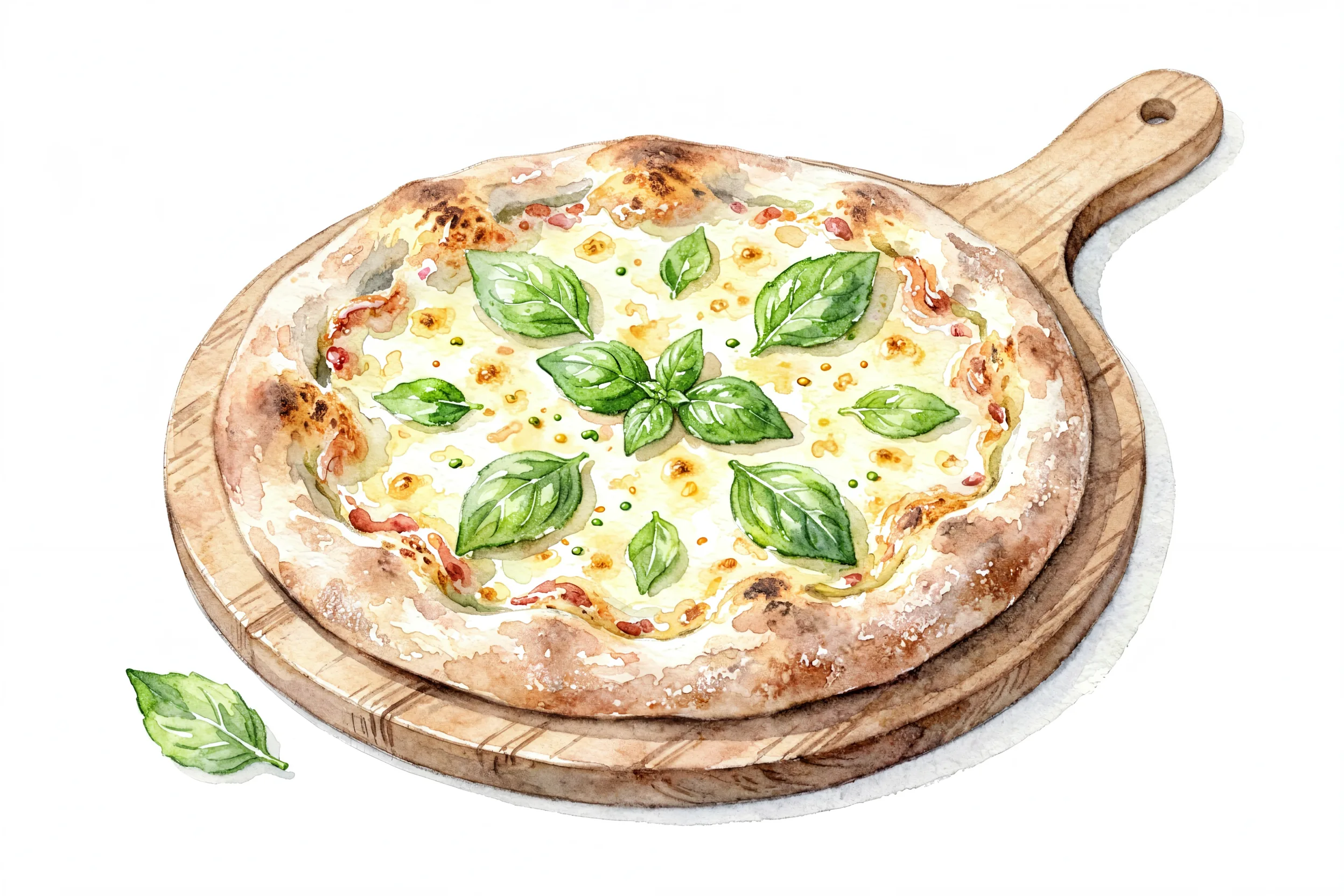
Sourdough Pizza Dough: Crispy & Chewy
Better flavor than commercial yeast, with the tang and texture of real sourdough.
Read the Recipe →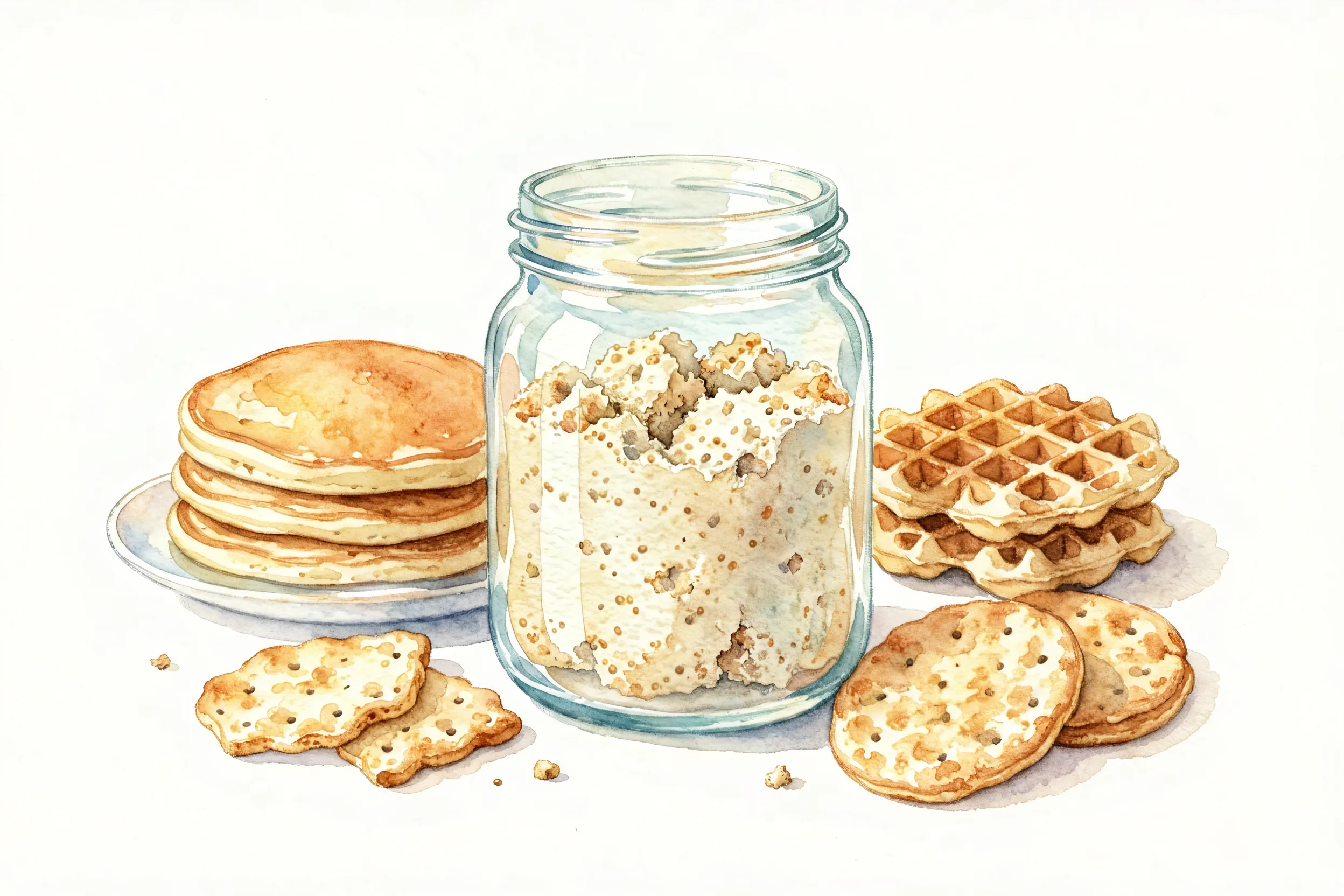
10 Sourdough Discard Recipes
Pancakes, crackers, waffles, pizza. Zero waste, full flavor.
Browse Recipes →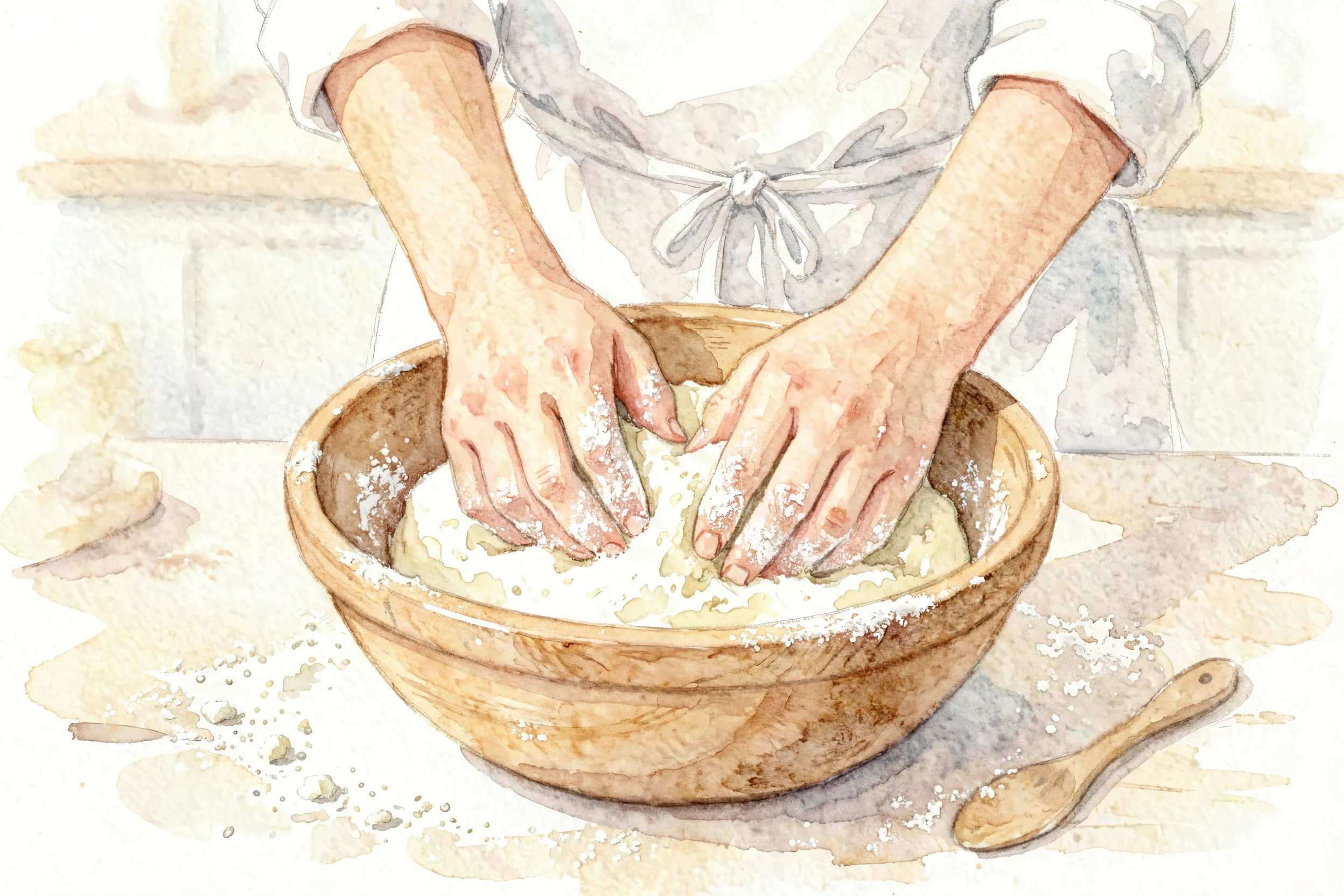
Sourdough for Beginners
The complete first-time guide. From starter to your first crusty boule.
Start Baking →Last updated: August 1, 2026